
What should homeowners check before winter arrives?
Preparing a roof for winter means identifying small problems before snow, ice, wind, and freezing temperatures make them harder to manage. In Ilion, NY, homes may face repeated freeze-thaw cycles, heavy snow, wind-driven precipitation, and ice buildup along roof edges. A seasonal inspection should focus on drainage, flashing, attic conditions, shingles, and areas where water can enter.
A roof does not need to look severely damaged to develop a winter leak. Missing granules, lifted shingles, cracked sealant, blocked gutters, or damp insulation can all become more serious once temperatures drop.
The safest preparation begins with observations from the ground and continues with attic checks. Walking on a roof or climbing onto icy surfaces creates unnecessary risk.
Are the shingles ready for snow and ice?
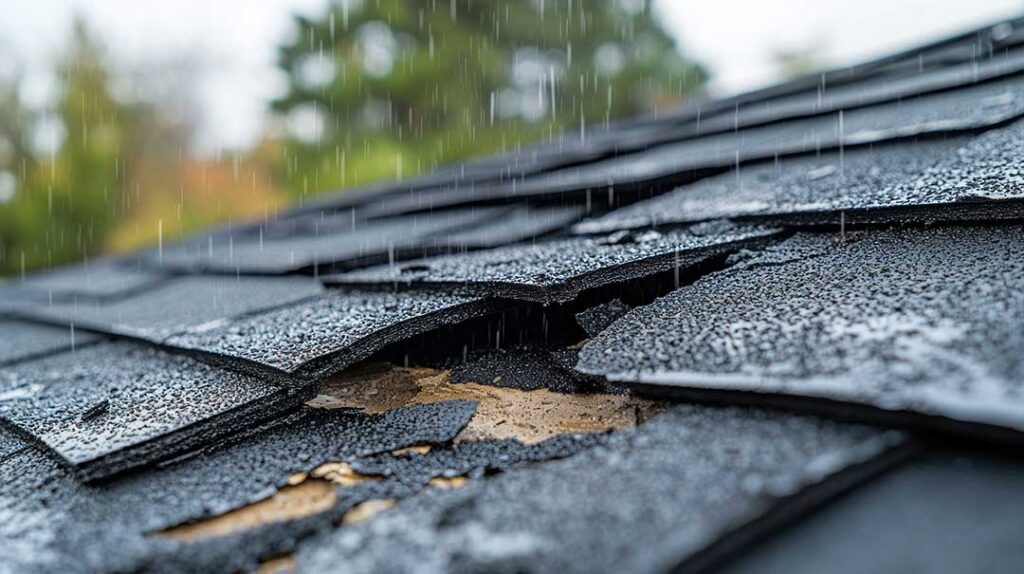
Shingles should lie flat and form a continuous, even surface. From the ground, look for:
- Missing, curled, cracked, or lifted shingles
- Dark patches that may indicate exposed underlayment
- Excessive granules in gutters or at the base of downspouts
- Sagging areas along the roofline
- Damaged ridge caps or loose materials near roof edges
- Moss or organic growth holding moisture against the roofing surface
A few isolated granules are normal on many roofs, but large amounts of granule loss may signal aging or surface wear. Curling and cracking can reduce a shingle’s ability to shed water beneath melting snow.
Do not assume that a roof is protected simply because it has no active leak. Water may be entering around a chimney, vent, skylight, wall intersection, or other roof penetration and remaining unnoticed until insulation or ceiling materials become saturated.
Why do gutters and downspouts matter in winter?
Gutters and downspouts must carry melting snow and rain away from the roof and foundation. Leaves, twigs, and roof granules can restrict this flow. If water cannot drain, it may freeze in place, add weight to the gutter, or contribute to ice buildup along the eaves.
Before winter, clear debris from gutters and confirm that downspouts discharge water away from the foundation. Check that gutters are securely attached and do not pull away from the fascia. Sagging sections can hold standing water that freezes and expands.
Downspout extensions should remain connected and open. If the discharge point is buried in snow or blocked by ice, melting water may collect near the foundation or refreeze along walkways.
Avoid using salt or sharp tools directly on roofing materials or gutters. These can damage finishes, corrode metal, or break shingles. Ice dams are usually related to uneven roof temperatures and attic heat loss, so removing visible ice does not address the underlying cause.
How can attic conditions affect winter roof performance?
A properly ventilated and insulated attic helps keep roof temperatures more consistent. Warm air escaping from the living space can heat portions of the roof from below, causing snow to melt unevenly. The water may then refreeze at colder eaves, creating an ice dam.
Check the attic for:
- Damp insulation or water stains
- Frost on nails or roof sheathing
- Mold-like growth or persistent musty odors
- Blocked soffit vents
- Gaps around light fixtures, pipes, chimneys, and wiring
- Bathroom or kitchen exhaust ducts that release air into the attic
Exhaust fans should vent outdoors through properly sealed ducts, not into the attic. Moist indoor air can condense on cold roof components, especially during extended cold periods.
Ventilation should not be blocked by insulation. At the same time, adding insulation without sealing major air leaks may leave warm air pathways intact. Attic improvements need to preserve intended airflow from the eaves toward the upper roof vents.
What should be checked around chimneys, vents, and roof edges?
Roof penetrations are common locations for winter leaks because they combine different materials and joints. Inspect visible flashing around chimneys, plumbing vents, skylights, dormers, and wall intersections.
Look for:
- Open seams
- Cracked or missing sealant
- Rusted or displaced metal
- Loose flashing
- Water stains below the penetration
- Gaps where roofing meets masonry or siding
Roof edges also deserve attention. Fascia boards, soffits, and drip edges should be secure and free of major rot. Damaged edges can allow wind-driven rain and melting snow to reach the roof deck or attic.

Sealant is not a permanent substitute for damaged flashing or deteriorated roofing. Applying new material over a wet or poorly prepared surface may hide the problem temporarily while allowing moisture to continue entering.
Should snow be removed from the roof?
Most roofs are designed to carry ordinary snow loads, but deep, wet snow is substantially heavier than light powder. Roof shape, age, structural condition, previous alterations, and uneven accumulation all affect risk.
Snow removal may be warranted when accumulation is unusually deep, when snow drifts heavily on one section, or when warning signs appear. Those signs can include:
- New sagging in the roofline or ceiling
- Doors that suddenly stick
- Cracking sounds
- Visible movement in roof framing
- Large amounts of snow concentrated near lower roof sections
- Water backing up behind an ice dam
Roof snow removal is hazardous, particularly on sloped or icy surfaces. A person should not climb onto the roof with ordinary household tools. Heavy snow should not be piled against walls, utility equipment, vents, or entrances.
Do not use a roof rake from a position beneath unstable overhangs, and avoid pulling snow down near people, vehicles, windows, or electrical equipment. If structural distress is suspected, leaving the area and obtaining qualified help is safer than attempting removal alone.
What winter supplies should be kept available?
A few basic preparations can reduce damage during a storm:
- A flashlight and spare batteries for attic checks
- A stable ladder used only from safe, dry ground conditions
- Towels, containers, or plastic sheeting for a minor interior drip
- A camera or phone for documenting stains and changes
- A roof plan showing attic access, shutoff locations, and vulnerable rooms
- Snow and ice monitoring after major storms
If water enters during winter, place a container under the drip and move valuables away from the area if safe. Do not touch electrical fixtures, outlets, or wiring that has become wet. Water may travel along framing before appearing far from the actual entry point.
A ceiling bulge should not be punctured unless the electrical risk has been assessed and the area can be handled safely. Wet drywall can be heavy and may fail without warning.
Which warning signs should not wait until spring?
Some problems need attention during winter rather than being postponed. These include active leaks, exposed roof decking, large missing areas of shingles, structural sagging, damaged flashing around a chimney, and water near electrical systems.
After strong wind or a heavy snow event, inspect ceilings, attic spaces, and upper walls for new staining. A roof can remain apparently dry during freezing weather and leak later when snow begins to melt.
Winter preparation is most effective when it combines exterior drainage checks, attic moisture control, safe snow awareness, and timely attention to small defects. These steps help a roof shed precipitation as intended and make it easier to recognize conditions that require immediate action.
