

What Are the Key Seasonal Roof Maintenance Tasks in Ilion, NY?
Regular seasonal maintenance helps roofs withstand the weather common to Ilion—snowy winters, rainy springs, and humid summers. Early spring and late fall are the most effective times for area homeowners to inspect and care for their roofs.
Each season, take these steps:
- In spring, clear away any branches, leaves, and debris left by winter storms, and check for any shingles that may have shifted or cracked under snow loads.
- In summer, look for signs of sun damage such as curled or brittle shingles, especially on older roofs.
- In fall, ensure gutters are free of leaves and pine needles to prevent ice dams, which are a frequent winter problem in the community.
- Before winter, verify that flashing around chimneys and skylights is sound, since freeze-thaw cycles often widen any gaps.
Neglecting these simple tasks increases the risk of leaks, ice dams, and costly repairs.
How Can Homeowners Safely Inspect Their Roofs?
Visual roof inspections can prevent small issues from escalating. Always prioritize safety: avoid climbing on the roof if it’s steep or slippery, and use binoculars or a camera with a zoom lens for an initial scan from the ground.
What to look for:
- Missing, cracked, or curling shingles, especially after strong winds or heavy snow.
- Rusted or separated flashing around chimneys, skylights, or vent pipes.
- Sagging sections that may indicate trapped moisture beneath the surface.
- Accumulated granules from asphalt shingles in gutters, signaling worn shingles.
While some residents are comfortable using a sturdy ladder to get a closer look, weather in Ilion can make surfaces wet and hazardous, so use caution and work with a second person whenever possible.
How Does Local Weather Affect Roof Longevity?
Roofs in Ilion commonly contend with gradual wear from heavy snow, ice, and changing temperatures. Freeze-thaw cycles can widen existing cracks. Prolonged moisture can quicken shingle deterioration, especially on north-facing slopes that receive less sun.
Residents should be proactive after:
- Ice storms, which can dislodge shingles and damage gutters.
- Wind gusts during noreasters, which can lift or shift roofing material.
- Severe temperature swings, which stress flashing, sealants, and vents.
After any major storm, make a visual inspection as soon as it’s safe, looking for new signs of damage or debris accumulation.
What’s the Best Way to Keep Gutters and Downspouts Clear?
Clogged gutters routinely contribute to roof and siding problems in the area. Regular cleaning—ideally in late spring and again in fall—prevents water overflow that can erode foundations or back up under shingles.
Safe cleaning steps:
- Wear gloves and use a sturdy ladder set on level ground.
- Remove leaves, twigs, and sediment by hand or with a scoop.
- Flush gutters and downspouts with a hose to ensure proper water flow.
- Check that downspouts direct water at least several feet away from the house.
Avoid using pressure washers, which can damage shingles or gutter fasteners. Residents with many trees nearby may need to clean gutters more frequently and should consider installing leaf guards.
How Should Small Repairs Be Handled by Homeowners?
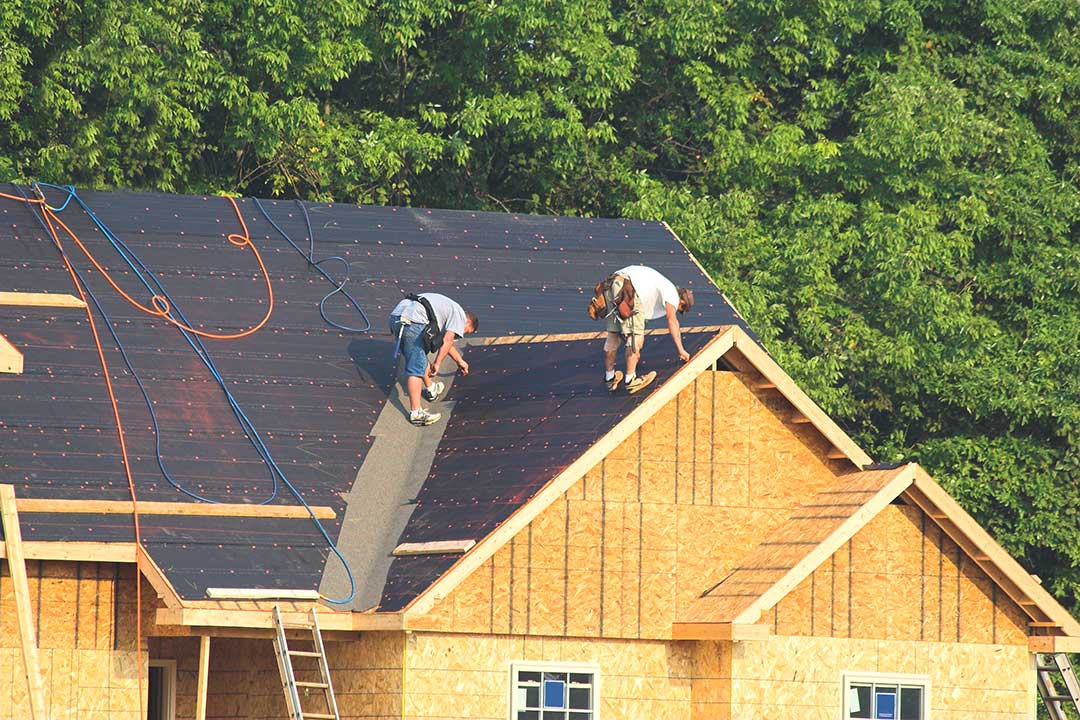
Minor fixes, such as replacing a single shingle or re-securing a loose nail, can be done by handy residents with the right tools and reasonable caution. Always work in dry weather and have a spotter on the ground if using a ladder.
DIY tips:
- For lifted shingles, apply roofing cement under the edges and press flat.
- Replace damaged shingles by gently removing nails, sliding the new shingle into place, and securing with galvanized roofing nails.
- Small gaps in flashing can be sealed with roofing caulk, but widespread rust or looseness may require more extensive repair.
Shingle color can fade over time, so finding a perfect match may be difficult; prioritize protection over appearance.
What Mistakes Do Homeowners Often Make with DIY Roof Maintenance?
Some common errors can make problems worse:
- Walking on fragile or wet roofs, risking injury or extra damage.
- Removing large amounts of moss or algae with abrasive tools, which can strip away shingle granules.
- Ignoring clogged soffit vents, which can reduce attic airflow and contribute to ice dams.
- Using metal shovels or sharp ice choppers to remove snow, which may puncture roofing materials.
When in doubt about the extent of a problem—such as significant sagging, large leaks, or rot—it’s safest to seek help, as these often involve structural concerns.
How Can Residents Prevent Roof Problems Before They Start?
Taking small, ongoing steps can extend the life of a roof in Ilion’s climate. Residents should:
- Trim back overhanging branches to limit debris and shade that encourages moss.
- Check attic insulation and ventilation—poor airflow leads to ice dam formation and premature aging.
- Inspect ceilings indoors periodically for water spots or mold, which might signal a slow leak.
- Record the date and findings of each inspection to track changes over time.
Simple vigilance, paired with prompt attention to minor issues, helps area roofs weather Ilion’s varied conditions for many years.
