

What Is Roof Ventilation and Why Do Homes Need It?
Proper roof ventilation moves air through the attic or roof space, balancing outside air intake with interior exhaust. For homes in Ilion, NY, where winters are long and summers can be humid, ventilation helps roofs and attics handle extreme seasonal changes. Without it, trapped heat and moisture can quietly damage structure, lower efficiency, and lead to costly problems.
How Does Roof Ventilation Protect Against Moisture Problems?
By letting fresh air flow into and out of the attic, roof ventilation reduces condensation and moisture buildup. In the humid Northeast, winter months in Ilion often bring cold attic spaces in contact with warm indoor air. This causes condensation along wood and insulation. Over time, moisture can:
- Encourage mold or mildew growth
- Rot wood framing or roof decking
- Ruin insulation effectiveness
This isn’t just a matter of comfort—moisture-related damage may require major repairs, especially in older area homes with less advanced building materials.
Can Good Attic Ventilation Lower Energy Bills?
Yes, in both summer and winter. During hot months, Ilion’s attics can get much hotter than outside temperatures. Without ventilation, this extra heat radiates into living spaces, straining air conditioning and fans. In the winter, proper airflow helps maintain even attic temperatures, reducing the risk of ice dams—an ice buildup along roof edges that traps melting snow and forces water under shingles.
Area households with properly ventilated attics generally note more consistent indoor temperatures and can see real savings on both heating and cooling bills.
What Are the Signs of Poor Roof Ventilation?
Ilion residents often spot warning signs before severe problems develop. Some of the most common signs include:
- Damp or matted attic insulation
- Musty odors from attic spaces
- Mold or mildew on rafters or attic walls
- Unexplained spikes in heating or cooling costs
- Ice dams forming on the roof during winter
- Excessive heat in upstairs rooms during summer
If any of these appear, it likely means warm, moist air is getting trapped inside the attic instead of flowing outside.
How Do Seasonal Conditions in Ilion Affect Roof Ventilation Needs?
Climate plays a major role. Winters are characterized by snow and occasional freeze-thaw cycles, while summers bring humidity and heat. These fluctuations put unique pressures on local roofing systems, increasing risks for both condensation and heat buildup.
Ventilation needs to be balanced year-round:
- In winter, excess attic heat can cause snow on the roof to melt and refreeze, leading to ice dams.
- In summer, stagnant air in the attic causes overheating, warping shingles and aging the roof prematurely.
Homes in wooded neighborhoods or older sections of the city may also face blocked vents due to windblown debris, bird nests, or insulation slumping over intake vents.
What Types of Roof Ventilation Are Found in Local Homes?
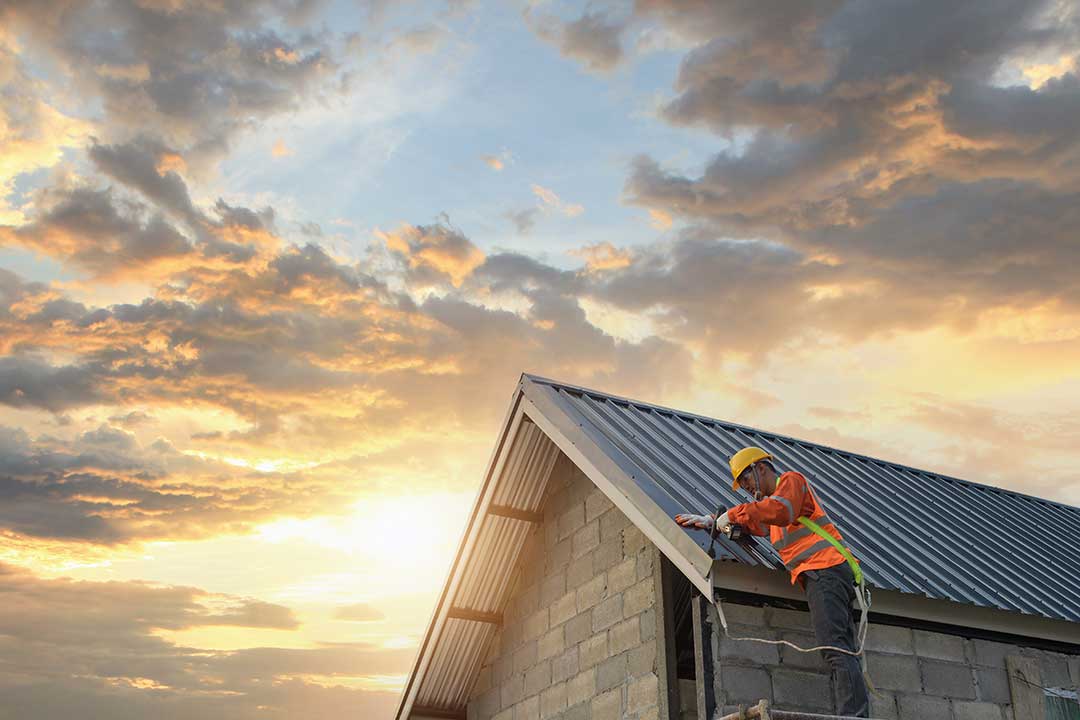
Several approaches are common in the area:
- Ridge and Soffit Vents: These are typical in newer or recently updated homes. Ridge vents run along the roof peak, while soffit vents sit beneath eaves, letting air move naturally upward and out.
- Gable Vents: Found in many older properties, these are screened openings on the sides of the attic, encouraging side-to-side airflow.
- Powered Vents: In some cases, fans are added to boost air movement, but these should be used with care to avoid creating pressure imbalances.
Each system must be planned to support local insulation needs, roof style, and exposure to wind and snow. Too few vents mean poor circulation, but too many—or ones installed without planning—can reduce the home’s energy efficiency or allow water intrusion.
What Are Common Misconceptions About Roof Ventilation?
Many believe more vents always mean better performance. In reality, effective roof ventilation relies on balance—matching intake (from soffit or lower vents) and exhaust (from ridge or upper vents). Just adding vents to a roof doesn’t guarantee improvement, and in some cases, additional openings could introduce more moisture if not placed or sized correctly.
Another common myth is that attic ventilation is only helpful in the summer. While ventilation does help control summer heat, it is equally important in protecting against winter moisture and ice-dam risks.
What Can Residents Do to Maintain Healthy Roof Ventilation?
Routine attic and roof inspections, especially after storms or heavy snow, can catch blocked vents or other issues early. Homeowners should watch for:
- Insulation covering soffit vents
- Signs of nesting animals or debris in vent spaces
- Disconnected or poorly sealed vent fans
Most inspection tasks can be handled by residents with basic safety gear, but any job involving roof access during icy or snow-covered months should be left to those with appropriate training.
How Do Local Building Codes and Home Styles Influence Vent Requirements?
Homes in Ilion reflect a mix of architectural eras, roof pitches, and attic styles. Local building codes typically require minimum ventilation ratios, often expressed as the amount of vent area per square footage of attic space. These codes are designed around local weather patterns to prevent moisture and temperature extremes.
For those planning renovations or adding insulation, checking that current venting matches the home’s layout and the latest guidelines can help prevent unexpected problems down the line.
