
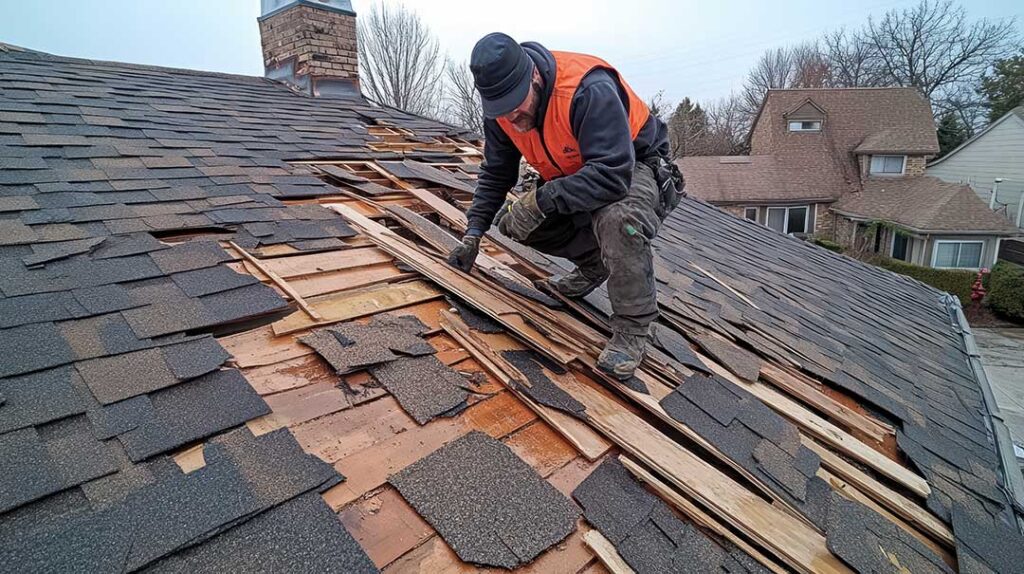
A professional roof inspection is a structured assessment of the roof system, not simply a quick look at shingles from the ground. In Ilion, NY, inspections are especially useful after winter weather, strong wind, heavy rain, or repeated freeze-thaw cycles that can expose small problems before they become interior leaks.
The purpose is to identify current damage, signs of aging, drainage concerns, and conditions that may shorten the roof’s remaining service life. A thorough inspection should also explain what requires immediate attention, what can be monitored, and what is typical wear for the roof’s age.
What happens before the inspection?
The process usually begins with questions about the home and any problems residents have noticed. Information about the roof’s age, previous repairs, leaks, ice buildup, attic moisture, or storm damage helps place visible conditions in context.
The inspector may ask about:
- Water stains on ceilings or walls
- Dripping or damp areas after rain
- Drafts or cold spots near the attic
- Snow or ice accumulation during winter
- Missing, cracked, curling, or discolored shingles
- Previous roof repairs or partial replacements
- Changes to gutters, vents, skylights, or other roof penetrations
A professional may also review accessible records or ask whether any remodeling has changed attic ventilation, insulation, or the roof layout. These details matter because a roof problem is not always caused by the roofing material itself.
Will the inspector walk on the roof?
Sometimes, but not always. A roof should only be walked when its slope, surface condition, weather, and access make that safe.
A roof inspection may include several methods:
- Ground-level observation
- Inspection from ladders or roof edges
- Direct walking on suitable roof surfaces
- Examination from attic spaces
- Close inspection of flashing, vents, chimneys, and drainage areas
Wet, icy, fragile, steep, or heavily deteriorated roofs may not be safe to walk. In those cases, the inspector may rely on binoculars, a camera, a ladder-based assessment, or interior observations. Avoiding unnecessary foot traffic is also helpful because brittle shingles can be damaged by walking, especially during cold weather.
A careful inspection is not defined by how much time someone spends standing on the roof. It is defined by whether the roof system and related areas are evaluated safely and thoroughly.
Which parts of the roof are examined?
A roof inspection covers more than shingles. The roof functions as a system, and water can travel beneath the surface before appearing indoors.
The exterior review commonly includes:
Shingles or other roof coverings
The inspector looks for missing materials, cracks, blistering, curling, exposed fasteners, loose edges, granule loss, and areas with unusual wear. Dark streaks may be cosmetic staining, but they can also make it harder to identify deterioration beneath the surface.
For older roofs, the condition of the underlying layers is not always visible without removing materials. A visual inspection can identify warning signs, but it cannot guarantee that every hidden defect has been found.
Flashing and roof penetrations
Flashing directs water away from joints and openings. It is commonly found around chimneys, plumbing vent pipes, skylights, valleys, sidewalls, and roof edges.
Inspectors look for separated seams, corrosion, damaged sealant, loose metal, or installation details that allow water to collect. These areas often deserve close attention because a leak near a penetration may appear indoors some distance from its actual source.
Valleys and low areas
Roof valleys carry water from two roof sections toward the drainage system. Leaves, ice, windblown debris, or damaged materials can interfere with that flow.
Low-slope sections may receive additional scrutiny because water remains on them longer. Ponding, sagging, or repeated staining can indicate drainage or structural concerns.
Gutters, downspouts, and roof edges
Blocked gutters can cause water to back up beneath roof coverings or overflow near foundations. The inspection may note debris, sagging gutters, loose fasteners, disconnected downspouts, and signs of water spilling over the edge.
In a climate with snow and freezing temperatures, roof-edge conditions also deserve attention. Ice accumulation can conceal damage and place extra stress on gutters and lower roof sections.
Is the attic inspected?
An attic inspection can reveal problems that are not visible from outside. If the attic is accessible, the inspector may look at the underside of the roof deck, insulation, ventilation, framing, and areas around penetrations.
Common findings include:
- Dark stains or damp wood
- Mold-like growth associated with excess moisture
- Rusted nails or fasteners
- Frost or condensation
- Daylight entering through unintended openings
- Compressed or displaced insulation
- Inadequate or obstructed ventilation
- Sagging or damaged roof decking
Not every attic stain means the roof is currently leaking. A stain may be old, may result from condensation, or may come from a past repair. Moisture readings, recent weather, and the condition of surrounding materials help determine whether a problem is active.

Poor attic ventilation can also contribute to premature roof aging. Warm, moist air from the home can condense in a cold attic, particularly when air sealing and ventilation are not balanced.
What happens after winter or a storm?
After severe weather, an inspection often focuses on changes caused by wind, snow, ice, and falling branches. Wind may lift or loosen shingles without removing them completely. Heavy snow can conceal damage until it melts, while ice can expose weak edges, flashing defects, or drainage problems.
A post-storm inspection may document:
- Missing or displaced shingles
- Bent or exposed flashing
- Damaged vents or chimney caps
- Impact marks
- Fallen limbs or punctures
- Gutter separation
- Interior leaks that began after the event
Photos and notes are useful because roof conditions can change between the storm and the inspection. However, a roof inspection is not automatically an insurance assessment. Insurance coverage depends on the policy, the cause of damage, exclusions, deductibles, and documentation requirements.
How are findings categorized?
A useful inspection report separates urgent concerns from routine maintenance. Not every defect requires immediate roof replacement.
Findings may generally fall into three groups:
- Immediate safety or leak concerns: Active leaks, unstable materials, exposed openings, structural sagging, or electrical hazards near water intrusion.
- Repairable deficiencies: Damaged flashing, isolated missing shingles, loose gutters, blocked drainage, or deteriorated sealant.
- Maintenance and monitoring items: Early granule loss, minor aging, surface staining, or conditions that should be checked during future inspections.
The report should explain the location, observed condition, likely significance, and any limitations of the inspection. It should also distinguish visible evidence from assumptions. For example, “water staining near a roof penetration” is more precise than claiming a specific hidden cause without further investigation.
Can an inspection determine how many years the roof has left?
No inspection can predict an exact expiration date. Remaining service life depends on the roof’s materials, installation quality, ventilation, slope, exposure, maintenance history, storm activity, and the condition of concealed components.
A relatively young roof can have localized failures, while an older roof may remain watertight for some time. Age is useful background information, but current condition is more meaningful than a calendar number alone.
Residents should also understand that a standard visual inspection has limits. It generally does not involve removing shingles, opening walls, testing every attic area, or evaluating concealed framing. Additional investigation may be necessary when moisture, structural movement, or recurring leaks cannot be explained by visible conditions.
What should residents do during the inspection?
The safest approach is to provide access information and avoid entering hazardous roof or attic areas independently. Keep pets and children away from ladders, work areas, and sections where materials may fall.
Before the inspection, it helps to make a short record of:
- When leaks occur
- Which rooms show staining
- Whether problems follow rain, snowmelt, or strong wind
- Any recent repairs
- Whether gutters overflow or ice forms at the roof edge
Afterward, ask for clear explanations of urgent issues, inspection limitations, and the difference between repair, maintenance, monitoring, and replacement. A professional inspection should leave residents with a better understanding of the roof’s present condition and the reasons behind any recommended next steps.
