

What Signs Suggest a Roof Needs Replacement?
Visible signs on your roof can signal it’s time for a replacement. Some are easy to notice, while others require closer inspection.
Residents often see:
- Curling, cracking, or missing shingles — Common after years of exposure to Ilion’s range of seasonal weather.
- Granules collecting in gutters — Asphalt shingles shed granules as they break down, which may show up as sandy debris.
- Blistering or bubbling shingles — Water or trapped heat can cause this, pointing to trapped moisture.
- Moss or dark streaks — Persistent moss growth or dark areas may indicate trapped moisture, leading to decay underneath.
These symptoms are more noticeable after damp and snowy winters or stormy summers. In neighborhoods with mature trees, falling branches and accumulated debris can speed up shingle wear.
How Does Age Affect Roof Performance?
Most roofs in Ilion are asphalt shingle systems, with a typical lifespan of 20 to 25 years. After that, materials naturally deteriorate, even if damage isn’t obvious.
If you know your roof was installed over two decades ago, replacement should be considered regardless of visible condition. Overlays—where new shingles are installed atop old ones—may give a quick fix, but tend to trap heat and moisture, burdening the structure.
Are Leaks Always a Sign You Need a New Roof?
Not all leaks require full replacement, but persistent, widespread leaking frequently signals deeper problems. A single drip after a severe storm may be repairable. However, if you notice:
- Several leaks throughout upper rooms or attic space
- Water stains that reappear after every snowmelt or rainstorm
- Soft, sagging areas on ceilings or rafters
…it often means the waterproof barrier or decking has failed. This is especially relevant for homes in flood-prone or low-slope areas of Ilion, where snow sits on roofs all winter.
What About Shingle Type and Installation Style?
Roof replacement timing also depends on material and underlying workmanship. In much of Ilion, older homes may have multiple layers or non-standard venting, both of which can shorten lifespan.
Common local mistakes that lead to early failure:
- Poor attic ventilation, causing ice dams at the eaves
- Inadequate flashing around chimneys or dormers, leading to chronic leaks
- Using low-grade shingles not meant for the local freeze/thaw cycle
If your home has experienced ongoing attic moisture, ice dams, or visible mold, these may trace back to deeper roofing issues, not just surface damage.
How Do Local Climate and Weather Patterns Affect Roof Lifespan?
Ilion’s climate features cold, snow-heavy winters and humid summers, both of which impact roofing materials.
- Long snow loads can soak under shingles or into the deck, causing rot that shortens roof life
- Repetitive freeze-thaw cycles crack shingles and may pop nails, especially on older installations
- Spring windstorms can rip up loose material or flashing
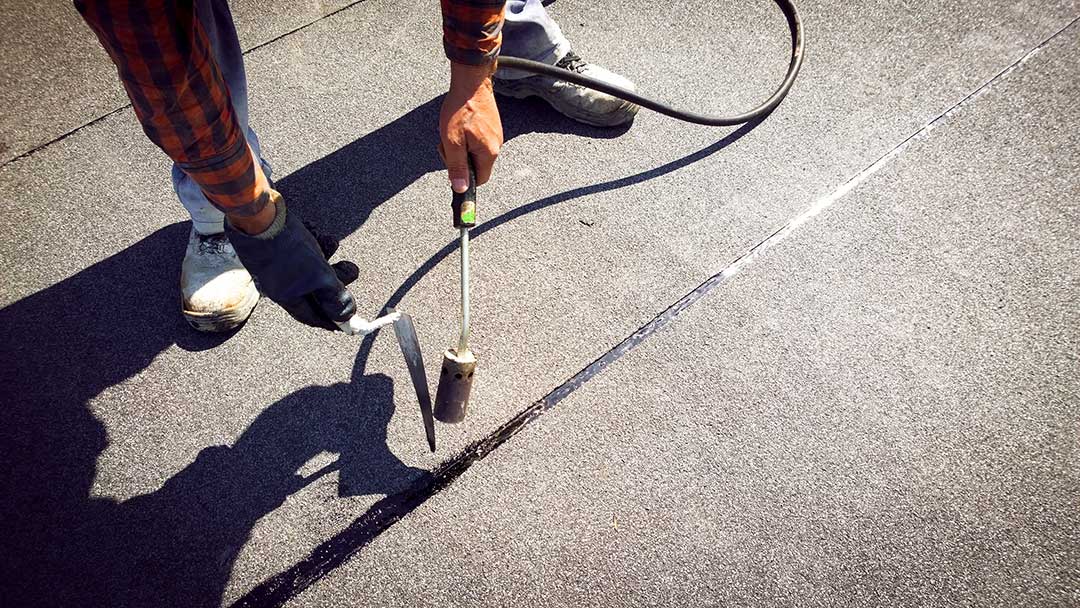
Houses surrounded by large shade trees might develop more moss or suffer branch impacts, while older homes with low-pitch roofs are especially vulnerable to slow leaks.
Can You Rely on Appearance Alone?
A clean, neat-looking roof isn’t always healthy beneath the surface. Hidden issues like delaminated plywood, soft spots, or venting trouble are often invisible until shingles are removed. Common misconceptions:
- “If it hasn’t leaked, it’s fine.” — Some hidden problems only appear during heavy storms or after several seasons.
- “Neighbors’ roofs lasted longer, so mine will too.” — Small differences in shade, roof direction, or earlier maintenance can add years—or take them away.
Routine attic inspection, especially after ice dams or storms, will give more reliable clues than surface checks alone.
Is It Safe to Wait If You’re Unsure?
Waiting too long with an aging roof increases the likelihood of structural damage, mold, or even deck replacement—costing far more than shingle work alone. If your roof is already at or beyond the expected lifespan, or you see multiple warning signs (visible wear, frequent leaks, recurring ice dams), delay increases risks to insulation, framing, and electrical systems inside your home.
Unless the roof is flat or extremely steep, many homeowners can safely check attic spaces for daylight (visible through boards or joints) or moisture after rainfall. For any inspection requiring climbing, extra caution is warranted, especially during winter or after storms.
What Should Local Residents Prioritize When Deciding?
Practical, region-specific tips for Ilion include:
- Take note after strong wind or ice events—damage often occurs at eaves and ridges.
- Watch for heavy moss on shaded roofs, which can pull up shingles and trap moisture.
- Keep tabs on roof age, especially if records are available from previous owners.
- Check for signs of long-term water damage in attic insulation and along rafters after major thaw events.
Those in historic or multi-generation homes should be extra vigilant, as legacy repairs or layered roofing can hide decay.
Homeowners in the area often share experiences with sudden leaks after long winters or after long periods without visible issues. The best guide is a combination of age, overall wear, history of repairs, and responses to the city’s variable weather. Addressing roofing concerns early usually means less disruption and avoids more extensive problems down the line.
