
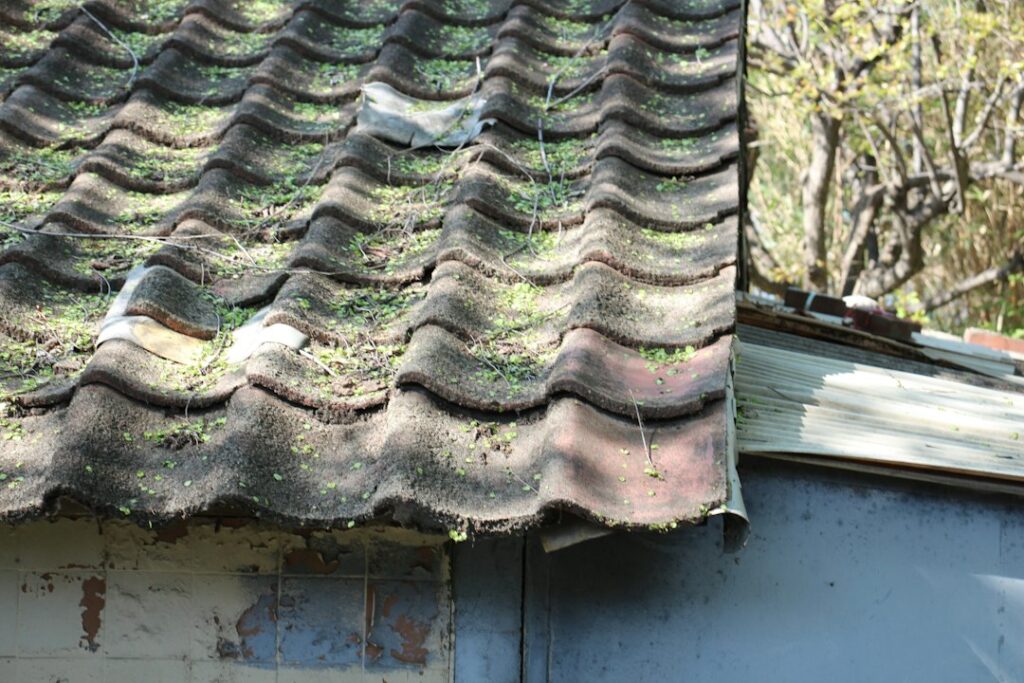
Hurricane season is officially observed from June 1 through November 30, but residents in Ilion, NY should think beyond the calendar. Tropical storms and hurricanes can weaken before reaching the area while still bringing damaging wind, heavy rain, saturated ground, falling branches, and power outages. A roof that handles ordinary summer weather may still have weaknesses that become serious during a fast-moving storm.
What roof problems are most likely during a hurricane-related storm?
The most common concerns are loose shingles, damaged flashing, clogged drainage, exposed roof edges, and water entering through small openings. In an inland community, wind and rainfall may be greater threats than storm surge, but the resulting roof damage can still be extensive.
High winds can lift shingles or loosen ridge caps. Wind-driven rain may then enter beneath roofing materials. Heavy rainfall can overwhelm gutters and downspouts, especially if leaves or sediment have collected during spring and summer. Trees with weak limbs can also fall onto the roof or puncture older roofing materials.
A roof does not need to be visibly failing to have storm vulnerabilities. Minor curling, missing granules, loose metal edging, or cracked sealant can become much worse under repeated gusts.
How should a roof be inspected before storm season?
A basic ground-level inspection can identify many warning signs without requiring anyone to climb onto the roof. Use binoculars if needed and look for:
- Missing, cracked, curled, or lifted shingles
- Dark patches or exposed roof underlayment
- Loose or bent metal flashing around chimneys, vents, skylights, and roof edges
- Sagging areas along the roof surface or eaves
- Damaged soffits, fascia, or gutters
- Moss or heavy debris that may conceal deterioration
- Tree limbs touching or overhanging the roof
- Loose vent covers, satellite equipment, or other rooftop attachments
Check the attic as well. Look for daylight through the roof deck, damp insulation, water stains, musty odors, or darkened wood. A stain may indicate an old leak, but it can also mark a weak area that will reopen during heavy rain.
Roof inspections should be completed well before a storm is approaching. Wet surfaces, strong winds, and emergency conditions make roof access especially dangerous.
Why do gutters and downspouts matter during severe weather?
Gutters and downspouts help move rainwater away from the roof and foundation. If they are blocked, water can back up beneath roofing materials, spill over the sides, or collect near exterior walls.
Clean the full drainage system before the most active part of the season. Remove leaves, sticks, shingle granules, and other debris from gutters and downspouts. Confirm that downspouts discharge several feet away from the foundation where practical and that extensions are secure.
Also check for:
- Sagging gutter sections
- Loose hangers or fasteners
- Separated seams
- Crushed or disconnected downspouts
- Water pooling near the house after rainfall
In older homes, gutter attachment points may be weakened by years of ice, snow, and freeze-thaw cycles. A system that appears acceptable in dry weather may pull away from the fascia during a prolonged downpour.
Which roof attachments need attention?
Roof penetrations and attachments deserve careful inspection because they create openings in the roofing system. Examine flashing around chimneys, plumbing vents, exhaust vents, skylights, and other penetrations. Look for cracked sealant, lifted metal, gaps, or rust that has weakened the flashing.
Do not cover a problem with a quick layer of household caulk. Some sealants are incompatible with roofing materials, and surface repairs may conceal deteriorated flashing or damaged wood. Temporary patches can be useful during an emergency, but they are not a substitute for correcting the underlying defect.
Loose rooftop equipment should be secured according to its installation requirements. Do not remove or alter equipment in a way that creates a new opening. Any work near electrical lines, steep slopes, or unstable surfaces should be left to someone qualified to perform it safely.
Should trees and outdoor items be part of roof preparation?
Yes. Roof preparation includes the area around the home. A healthy tree can still lose a limb during saturated soil conditions or powerful wind gusts.
Inspect branches that extend over the roof, especially those that are dead, cracked, diseased, or rubbing against the structure. Do not attempt to cut large limbs near power lines or over a roof. Such work can involve serious fall and electrical hazards.
Secure or relocate loose outdoor items before a storm, including:
- Patio furniture
- Grills and lawn equipment
- Children’s play equipment
- Lightweight containers
- Decorative objects
- Temporary sheds or unsecured materials

These items can become airborne and damage shingles, siding, windows, or gutters. Keep ladders and loose tools stored indoors rather than beneath an eave or in an exposed shed.
What can residents do if a storm is forecast soon?
Avoid climbing onto the roof once severe weather is approaching. Instead, complete safe ground-level checks, clear accessible gutter openings, and move outdoor objects indoors or to a sheltered location.
Inside the home, place containers beneath known leak areas only if doing so is safe. Move electronics and furniture away from active leaks. If water is near electrical equipment, avoid contact and follow appropriate electrical safety procedures.
Do not use a ladder, tarp, or roof patch during high winds, lightning, or heavy rain. A temporary covering can shift, trap water, or create additional hazards. If emergency covering is necessary, it should be performed only under safe conditions by someone equipped for the work.
Keep records of existing roof conditions with dated photographs. Images of shingles, flashing, gutters, ceilings, and attic areas can help distinguish pre-existing damage from storm-related damage and provide a useful household record.
What should be checked after the storm?
Wait until wind, lightning, and falling-tree hazards have passed. From the ground, look for missing roofing materials, exposed underlayment, bent flashing, damaged gutters, fallen limbs, and sections of roof that appear uneven.
Inside, inspect ceilings, attic spaces, upper walls, and around chimneys or vents for new moisture. A small ceiling stain can indicate water traveling along roof framing, so the visible mark may not be directly below the entry point.
Treat these conditions as urgent safety concerns:
- A sagging roof or ceiling
- Large sections of missing roofing
- Exposed electrical wiring
- Water near electrical fixtures
- A fallen tree resting on the structure
- Structural movement around walls, chimneys, or roof supports
Stay clear of unstable areas and avoid walking on damaged roofing. Roof surfaces can be slippery, and hidden structural damage may not be visible from above.
Does a newer roof eliminate hurricane-season preparation?
No. A newer roof may have stronger materials and better fasteners, but age is only one factor. Installation quality, flashing details, roof shape, drainage, surrounding trees, and previous storm damage also affect performance.
Preparation is most effective when it is routine rather than rushed. A spring inspection, a late-summer drainage check, and a ground-level review before major weather can reveal problems while they are still manageable. For households in the community, that approach is especially useful because roofs must handle not only tropical-storm remnants but also summer thunderstorms, autumn rain, winter snow, ice, and repeated freeze-thaw cycles.
